
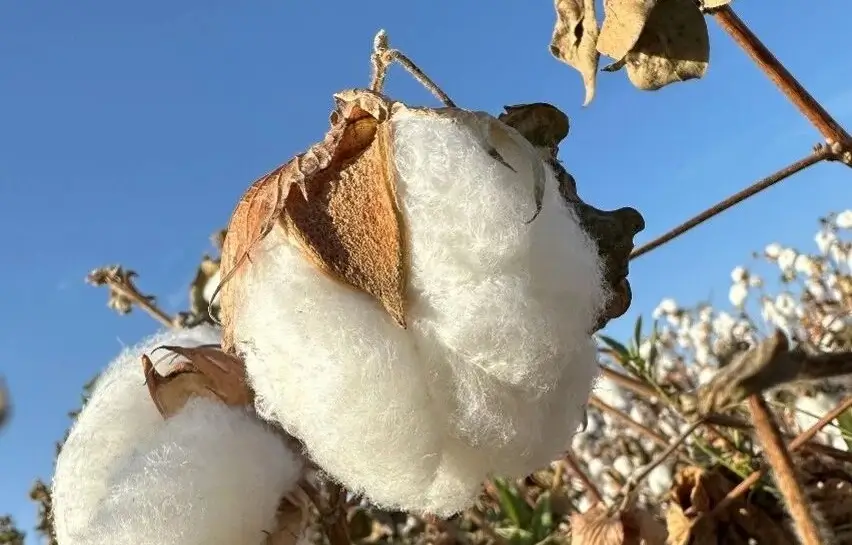
Introduction: Why Organic Cotton Matters
Cotton is one of the most widely used fibers in the world. But conventional cotton comes at a cost: heavy pesticide use, intensive water consumption, and potential chemical residues that can irritate sensitive skin.
Organic cotton offers a better way.
It is grown without synthetic pesticides, without chemical fertilizers, and from non-GMO seeds. For brands that prioritize sustainability, safety, and transparency, organic cotton is not just a material choice—it is a statement of values.
At Exfatter, we are proud to be GOTS-certified (Global Organic Textile Standard), the world’s leading certification for organic textiles. This guide will walk you through:
-
What makes organic cotton different
-
The benefits for your brand and your customers
-
Why GOTS certification matters
-
How Exfatter delivers organic cotton with expertise and reliability
Let’s begin.

Part 1: What Is Organic Cotton?
Organic cotton is cotton that is grown using methods and materials that have a low impact on the environment.
Key characteristics of organic cotton:
| Aspect | Organic Cotton | Conventional Cotton |
|---|---|---|
| Seeds | Non-GMO, untreated | Often GMO or chemically treated |
| Pesticides | No synthetic pesticides | Heavy synthetic pesticide use |
| Fertilizers | Natural compost, crop rotation | Synthetic nitrogen fertilizers |
| Water | More efficient irrigation | Highly water-intensive |
| Soil health | Maintained through natural practices | Degraded over time |
| Farmer safety | No exposure to toxic chemicals | High risk of chemical exposure |
Organic cotton is not just about what is not used. It is about a holistic approach to farming that prioritizes soil health, biodiversity, and the well-being of farming communities.
Part 2: Why Choose Organic Cotton for Your Brand?
Organic cotton offers compelling advantages that align with the values of today’s conscious consumers.
1. Environmental Benefits
| Benefit | Impact |
|---|---|
| No toxic pesticides | Prevents chemical runoff into soil and waterways |
| Less water | Organic farming typically uses less water than conventional |
| Soil health | Builds healthy soil that sequesters carbon and retains moisture |
| Biodiversity | Supports diverse ecosystems, unlike monoculture farming |
2. Safety for End Consumers
Organic cotton is grown without toxic chemicals, which means:
-
No pesticide residues trapped in fibers
-
Gentler on sensitive skin—ideal for babywear, underwear, and loungewear
-
Hypoallergenic properties that reduce risk of skin irritation
3. Farmer and Community Welfare
Conventional cotton farming exposes farmers to harmful pesticides, leading to serious health issues. Organic cotton:
-
Protects farmer health by eliminating toxic exposure
-
Supports fairer labor practices
-
Often commands better prices, improving livelihoods
4. Brand Credibility
Consumers are increasingly educated about sustainability claims. Organic cotton—especially when GOTS-certified—provides:
-
Third-party verification of your sustainability claims
-
A credible story you can share with your customers
-
Differentiation in a crowded market
Part 3: The Exfatter Advantage – Organic Cotton
We bring the same level of expertise and supply chain control to organic cotton that we bring to bamboo.
1. We Are GOTS-Certified
- Fiber: at least 95% certified organic fibers
- Processing: no toxic chemicals, heavy metals, or GMOs
- Social criteria: no child labor, fair wages, safe working conditions
- Environmental management: wastewater treatment, energy efficiency
Like our bamboo production, we don’t rely on third-party fabric traders. Our GOTS-certified supply chain ensures:
- Traceability from fiber to finished garment
- Consistent quality across orders
- Documentation for your own sustainability reporting
- Faster lead times
- Single-point accountability
- Reduced communication complexity
4. We Are Trusted by Global Brands
Our certifications—GOTS, Disney FAMA, ISO 14001, WCA, NBCU—demonstrate that we meet the standards required by top-tier international brands. When you partner with Exfatter, you’re partnering with a manufacturer that has already been vetted by some of the world’s most demanding customers.
Part 4: The Gold Standard – GOTS Certification
When we talk about organic cotton, GOTS (Global Organic Textile Standard) is the benchmark.
What Is GOTS?
GOTS is the world’s leading certification for organic textiles. It covers the entire supply chain—from harvesting the raw fiber to manufacturing the finished product.
What GOTS verifies:
| Stage | Requirements |
|---|---|
| Fiber | At least 95% certified organic fibers |
| Processing | No toxic chemicals, heavy metals, or GMOs allowed |
| Dyeing & printing | Only approved, low-impact dyes and auxiliaries |
| Social criteria | Strict labor standards: no child labor, safe working conditions, fair wages |
| Environmental management | Wastewater treatment, energy efficiency, and responsible practices |
Why GOTS Matters for Your Brand
| Benefit | What It Means |
|---|---|
| Credibility | Your sustainability claims are verified by a trusted third party |
| Supply chain transparency | GOTS-certified manufacturers like Exfatter are audited annually |
| Consumer trust | The GOTS label is recognized and respected by conscious consumers worldwide |
| Regulatory readiness | Increasingly, regulators in the EU and US are looking for verified sustainability claims |
Exfatter is GOTS-certified. This means every stage of our organic cotton production—from fiber sourcing to finished garment—meets the most stringent environmental and social standards.
Part 5: The Exfatter Difference in Organic Cotton
You already know us as a bamboo specialist. But our expertise in sustainable textiles goes further.
We Have the Certifications
| Certification | What It Means |
|---|---|
| GOTS | Full supply chain certification for organic textiles |
| DISNEY FAMA | Social compliance verified for top-tier brands |
| ISO 14001 | Environmental management certified |
| WCA & NBCU | Work condition and supply chain compliance |
These certifications mean we don’t just claim to be sustainable. We prove it—through annual audits and documented compliance.
We Understand Sustainable Materials
Whether it’s bamboo or organic cotton, we know that sustainable materials require specialized handling:
-
Different shrinkage properties
-
Specific dyeing requirements
-
Unique finishing techniques
Our decade of experience with bamboo has taught us how to work with natural fibers. That expertise carries directly into our organic cotton production.
We Are Vertically Integrated
As a vertically integrated manufacturer, we control:
-
Fabric sourcing and inspection
-
Cutting, sewing, and printing
-
Quality control and needle detection
-
Packaging and shipping
This means faster lead times, consistent quality, and full accountability—whether we’re working with bamboo or organic cotton.
Part 6: Applications – Where Organic Cotton Excels
Organic cotton is versatile and performs beautifully across many product categories.
| Category | Why Organic Cotton Is Ideal |
|---|---|
| Babywear | Gentle on sensitive skin, no pesticide residues, safe for newborns |
| Underwear | Breathable, hypoallergenic, comfortable for all-day wear |
| Loungewear | Soft, breathable, naturally comfortable |
| T-shirts & basics | Durable, easy to care for, perfect for everyday wear |
| Bedding & textiles | Safe for sleep, breathable, comfortable |
For brands targeting health-conscious, environmentally aware consumers, organic cotton is a natural fit.
Part 7: Bamboo vs Organic Cotton – Which One to Choose?
We often get asked: Should I choose bamboo or organic cotton? The answer depends on your product and your brand story.
| Dimension | Bamboo | Organic Cotton |
|---|---|---|
| Softness | Exceptional | Very soft |
| Moisture-wicking | Excellent | Good |
| Breathability | Excellent | Excellent |
| Hypoallergenic | Natural | Natural (when organic) |
| UV protection | Natural | Minimal |
| Sustainability | Highly sustainable (fast-growing, no pesticides) | Highly sustainable (but water-intensive) |
| Best for | Activewear, babywear, underwear, loungewear | T-shirts, basics, babywear, bedding |
The good news: You don’t have to choose one. Exfatter specializes in both. Whether you want a pure bamboo collection, an organic cotton line, or a blend, we have the expertise and certifications to deliver.
Part 8: Why Partner with Exfatter for Organic Cotton?
When you choose Exfatter for your organic cotton apparel, you get:
| Benefit | What It Means |
|---|---|
| GOTS certification | Full supply chain verification—no gaps, no shortcuts |
| Vertical integration | Fabric to finished garment under one roof |
| Experience with sustainable materials | Decade of expertise with bamboo translates to organic cotton |
| International certifications | Disney FAMA, ISO 14001, WCA, NBCU—ready for global brands |
| Reliable quality control | 100% needle detection, multi-point inspections |
| Sustainability in practice | Rooftop solar, biodegradable packaging, certified environmental management |
Whether you are launching an organic cotton babywear line, expanding into sustainable basics, or looking for a certified partner to support your ESG goals, we are ready to help.
Conclusion: Organic Cotton as a Choice for the Future
Organic cotton is more than a trend. It is a responsible choice for brands that care about the planet, the people who grow their materials, and the customers who wear their clothes.
With GOTS certification, vertical integration, and a decade of experience in sustainable textiles, Exfatter is uniquely positioned to be your partner in organic cotton apparel.
Let’s Talk About Your Organic Cotton Collection
We’d love to learn about your brand and explore how our GOTS-certified manufacturing can support your next collection.
Contact us at eddie@nea.ltd to start the conversation.
Prefer bamboo? Explore our expertise: Why Bamboo? The Complete Guide for Apparel Brands.